Kitchen measures

Grams to cups and spoons converter

Convert weight to volume for flour, sugar, butter and more, using each ingredient’s density.

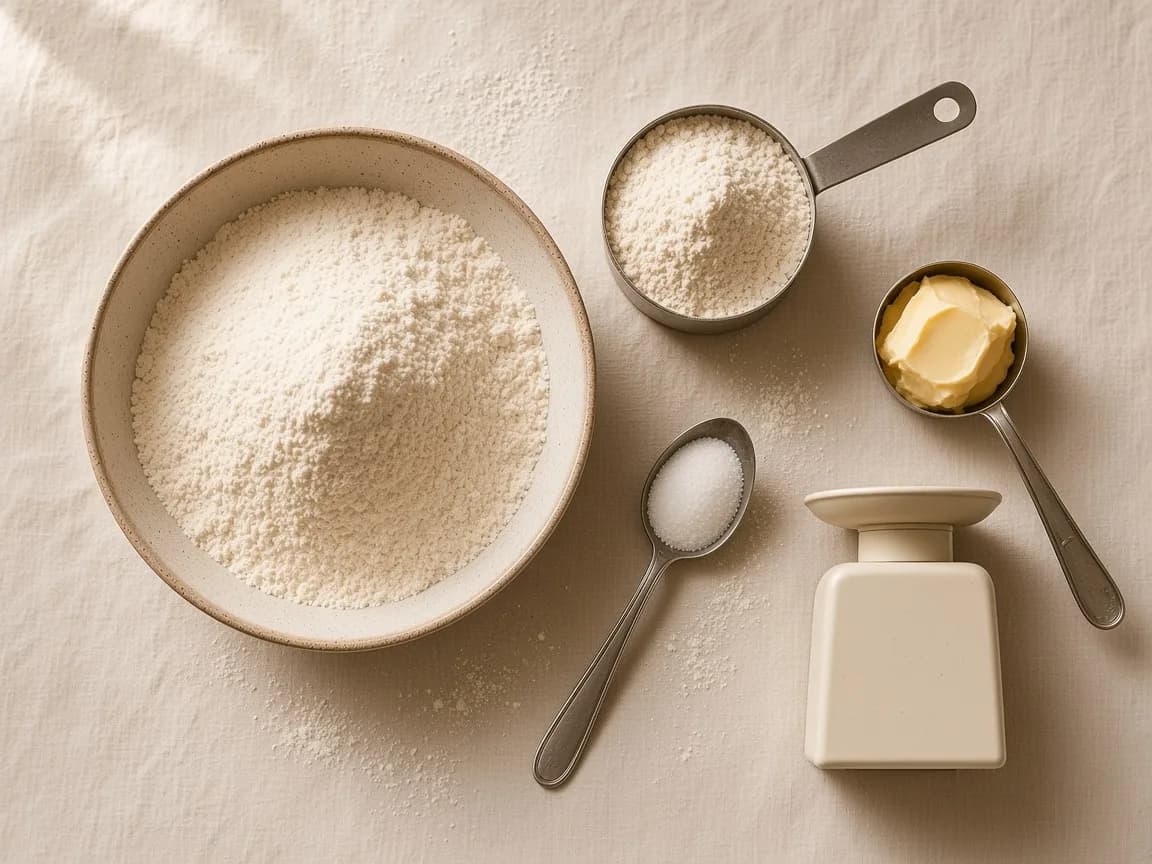
A bowl of flour beside measuring cups, a spoon of sugar, butter and a kitchen scale

How to use it

  1. Choose the ingredient. All-purpose flour, granulated sugar and butter do not fill a cup to the same weight.
  2. Enter the amount and the unit you have. Cups (US), Tablespoons and Teaspoons are US measures. Ounces (weight) and Pounds are weight, not fluid ounces.
  3. Choose the unit you want.
  4. Read the result and whether it used a cup weight. A volume-to-volume result does not.

What this calculates

Use this when a US recipe speaks in cups or spoons and you have a scale, or the other way round. You choose one ingredient, the amount you have, and the unit you want. Grams are weight. Cups, tablespoons and teaspoons are volume.

How it works

This converter uses a US cup of 236.59 ml. One tablespoon is 1/16 of that cup and one teaspoon is 1/48, so one tablespoon is three teaspoons with no ingredient involved. Weight to volume divides the grams by that ingredient’s grams per US cup. All-purpose flour is 120 g per cup, spooned in and levelled. A scooped cup can weigh more. The other cup weights come from the Chefalia ingredient table, November 2026, not from a single published chart.
Worked examples

120 g of all-purpose flour

Inputs
All-purpose flour, 120 grams, converted to Cups (US).
Calculation
The flour row is 120 g per US cup, spooned and levelled. 120 divided by 120 is 1.
Result
1 cup.
What it means
That holds only for the spooned cup. King Arthur Baking notes that a packed cup of the same flour can land near 160 g, which would make a dough dry if you treat it as 120 g.

One tablespoon, as teaspoons

Inputs
1 tablespoon converted to teaspoons. The ingredient can stay on all-purpose flour.
Calculation
Both units are volume. 1 tablespoon is 3 teaspoons because a tablespoon is 16 to a cup and a teaspoon is 48. The 120 g flour factor is not used.
Result
3 tsp.
What it means
Changing the ingredient does not change this result. Density matters only when one side is weight and the other is volume.

Limitations and common mistakes

  • How you fill the cup changes the weight. The table cannot see a scooped or sifted cup.
  • A metric cup of 250 ml is larger than this US cup. Using these numbers with metric cups reads a little low.
  • Fluid ounces are not offered. An ounce here is 28.35 g of weight.
  • Only all-purpose flour is tied to the King Arthur 120 g cup. Bread flour in this converter is 127 g per cup, which is not that chart.
Common questions

FAQs

Grams measure weight. Cups and spoons measure volume. The same weight of flour, sugar or butter will not fill a cup to the same level.

Made for home chefs

Your next good meal starts here.

Keep your favorite recipes close, give your week a plan, and make everyday cooking easier with Chefalia.

  • Download on the App Store
  • Get it on Google Play